India Tajikistan Business and Cultural Council

About Tajikistan
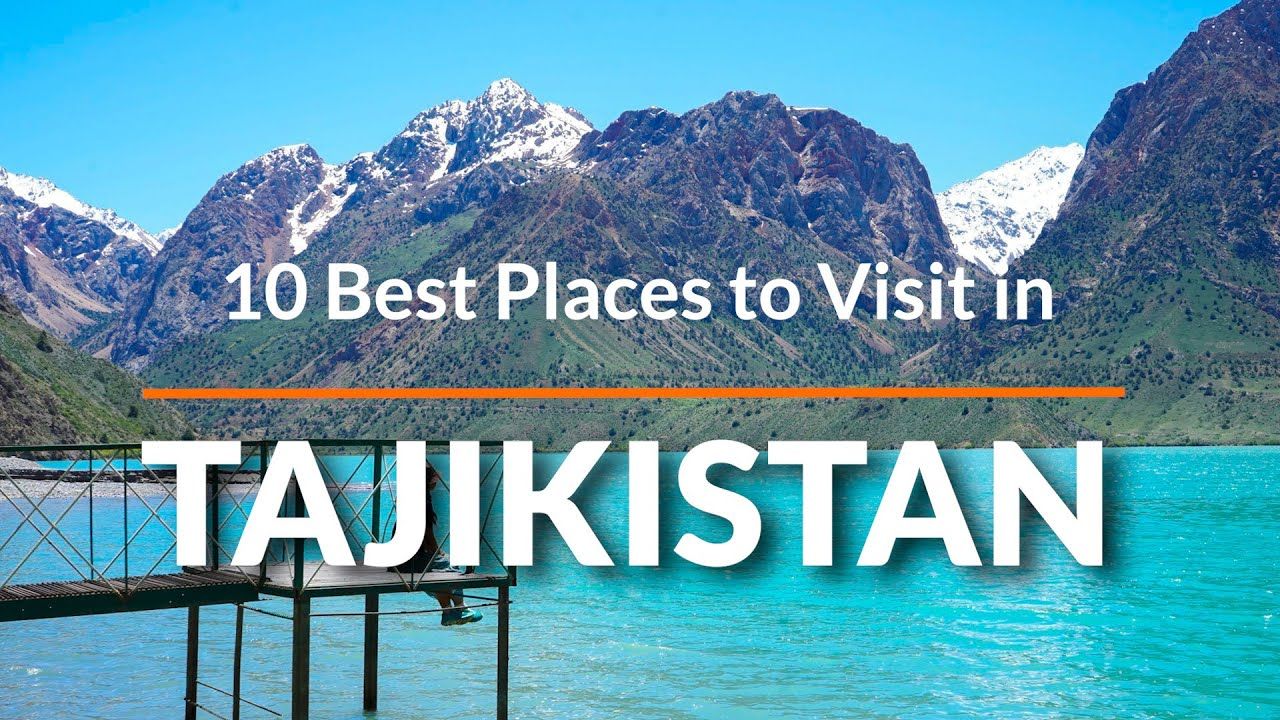
Tajikistan, situated in Central Asia, boasts a landscape dominated by rugged mountains,
notably the Pamir and Alay ranges. Its capital, Dushanbe, serves as the heart of the nation,
pulsating with political, economic, and cultural life. With a population exceeding 9 million,
Tajikistan's demographic mosaic is primarily Tajik, though it includes significant Uzbek,
Russian, and Pamiri minorities. The official language, Tajik, reflects the country's cultural
heritage, while Russian remains widely spoken. Tajikistan's history is rich and diverse,
shaped by ancient civilizations and more recent influences from Persian, Islamic, and Soviet
eras. Today, Tajikistan stands at a crossroads of tradition and modernity, striving for
development and stability amidst its breath-taking natural beauty.
The Tajiks find their origin in ancient Persian civilizations. At present, approximately 9.5
million people live in Tajikistan, with the capital Dushanbe being by far the most populous city
with nearly 900.000 inhabitants. Apart from ethnic Tajik people and people native to the mountainous
regions, there are considerable Russian and Uzbek minorities living predominantly in the urban
centers in the west and north of Tajikistan.
As a remainder of the Soviet times, Russian remains a lingua franca that is widely understood by
most Tajiks. Tajik is the official language and closely related to Persian (Farsi). In fact, Tajik
and Persian are to a high degree mutually intelligible. Originally, Tajik was written in the Arabic
alphabet, but during Soviet times, the script was changed to the Cyrillic alphabet.
Numerous local Iranian languages are spoken particularly in the mountainous parts, the most notable
of which are the Pamir languages in Gorno-Badakhshan and Yagnobi language in the west of Tajikistan.
Uzbek is also widely spoken by Uzbek communities in the larger cities. English is gaining in
popularity among younger generations, but is generally understood only to a limited extent.
Objectives

Business Council
To promote bilateral trade between India and Tajikistan To boost businesses of all the sectors, particularly MSMEs, and create business opportunities To promote businesses of all sizes across the two countries Establish business to business and people to people contact Create tie-ups amongst chambers of commerce and have businesspeople as part of this council.

Cultural Council
To promote cultures and exchange ideas and values through this council Facilitate cultural exchanges in the form of music, dance, history, artifacts, exhibitions, expos and even through online mediums Create opportunities for student exchanges, training and courses to promote cultural relations between India and Tajikistan To promote artists through shows, exhibitions, etc. either in person or through online mediums.